Considered Design in Action: How Thoughtful Decisions Transformed the Piney Gap Kitchen

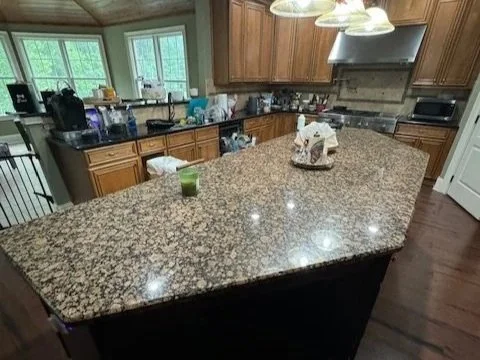
When my client first reached out, the kitchen at the Piney Gap residence felt dark, heavy, and uninspiring. While the surrounding spaces had strong architectural presence, the kitchen itself lacked the lightness and energy needed to support everyday living.

With no window and an abundance of dark finishes, the space absorbed what little light was available. What should have been the heart of the home instead felt closed in and disconnected.

This was not a kitchen that needed more decoration.
It needed considered design.

Understanding the Challenge

Before selecting finishes or fixtures, we stepped back to understand what wasn’t working:

  • Limited natural light due to the absence of a window

  • Dark cabinetry and surfaces that intensified the heaviness of the space

  • A lack of visual balance, making the kitchen feel smaller and less inviting

The goal wasn’t simply to “brighten” the kitchen, it was to create a space that felt airy, functional, and cohesive, while remaining aligned with the overall design language of the home.

That required thoughtful decisions made in the right order.

Design Continuity Without Repetition

Because the kitchen was part of a larger, thoughtfully designed home, it was essential that it felt connected to the adjacent spaces yet distinct in how it solved its own challenges.

The kitchen needed to:

  • Flow seamlessly with the surrounding rooms

  • Maintain the refined aesthetic established throughout the home

  • Respond specifically to its constraints, rather than ignore them

Considered design allowed us to achieve continuity without repetition, honoring the home’s broader vision while addressing the kitchen’s unique needs.

Strategic Decisions That Changed Everything

Rather than fighting the limitations, we designed with them.

Key decisions included:

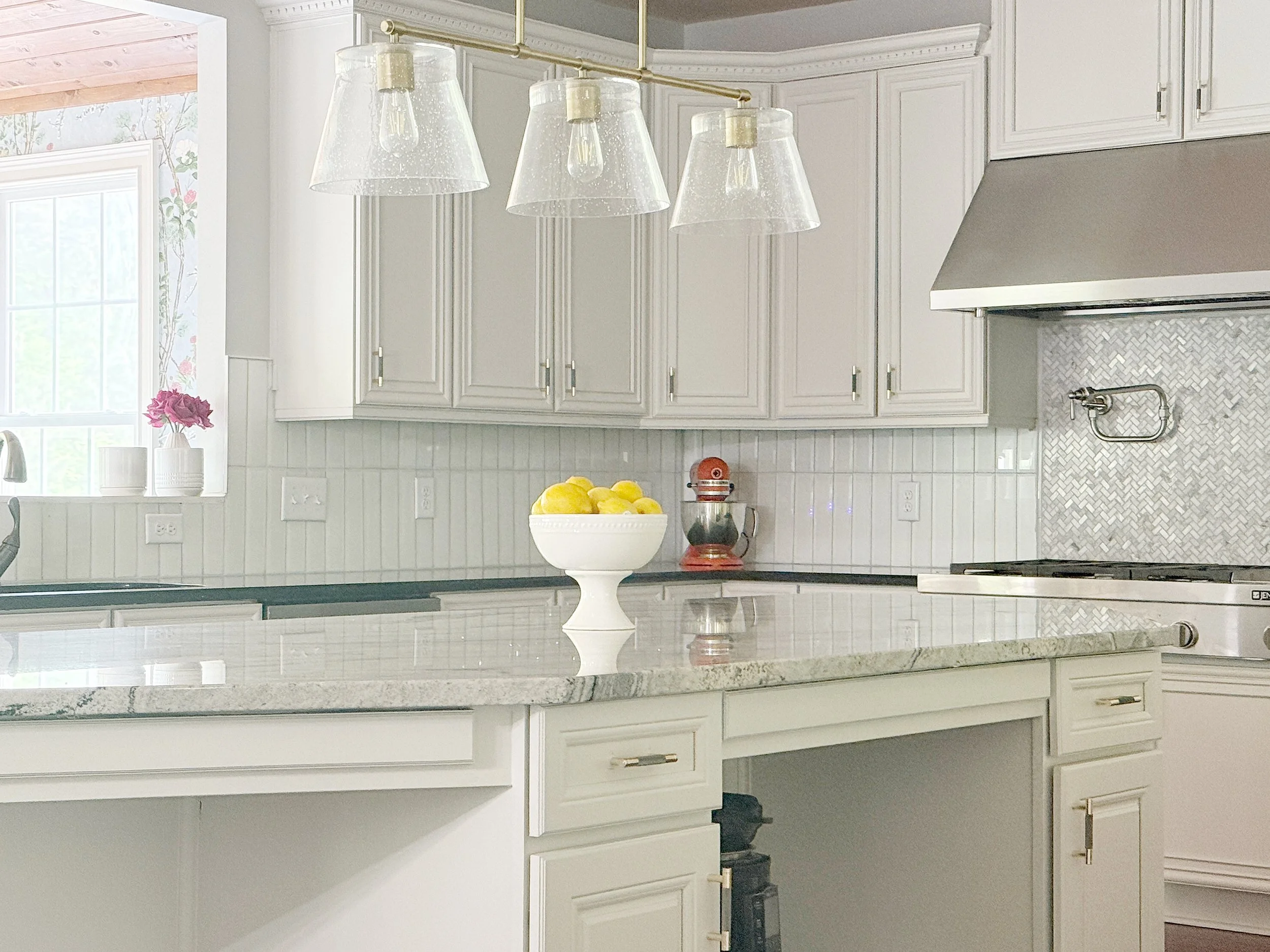
  • Lightened cabinetry to reflect light instead of absorbing it

  • A lighter countertop surface to visually open the space and reduce heaviness

  • Clear glass lighting elements, paired with recessed lighting, to enhance brightness without adding visual clutter

  • A carefully balanced palette that maintained warmth while lifting the overall feel of the room

Each decision was intentional made with an understanding of how color, finish, and light interact, especially in a windowless environment.

AFTER

The Result: A Kitchen That Feels Open and Inviting

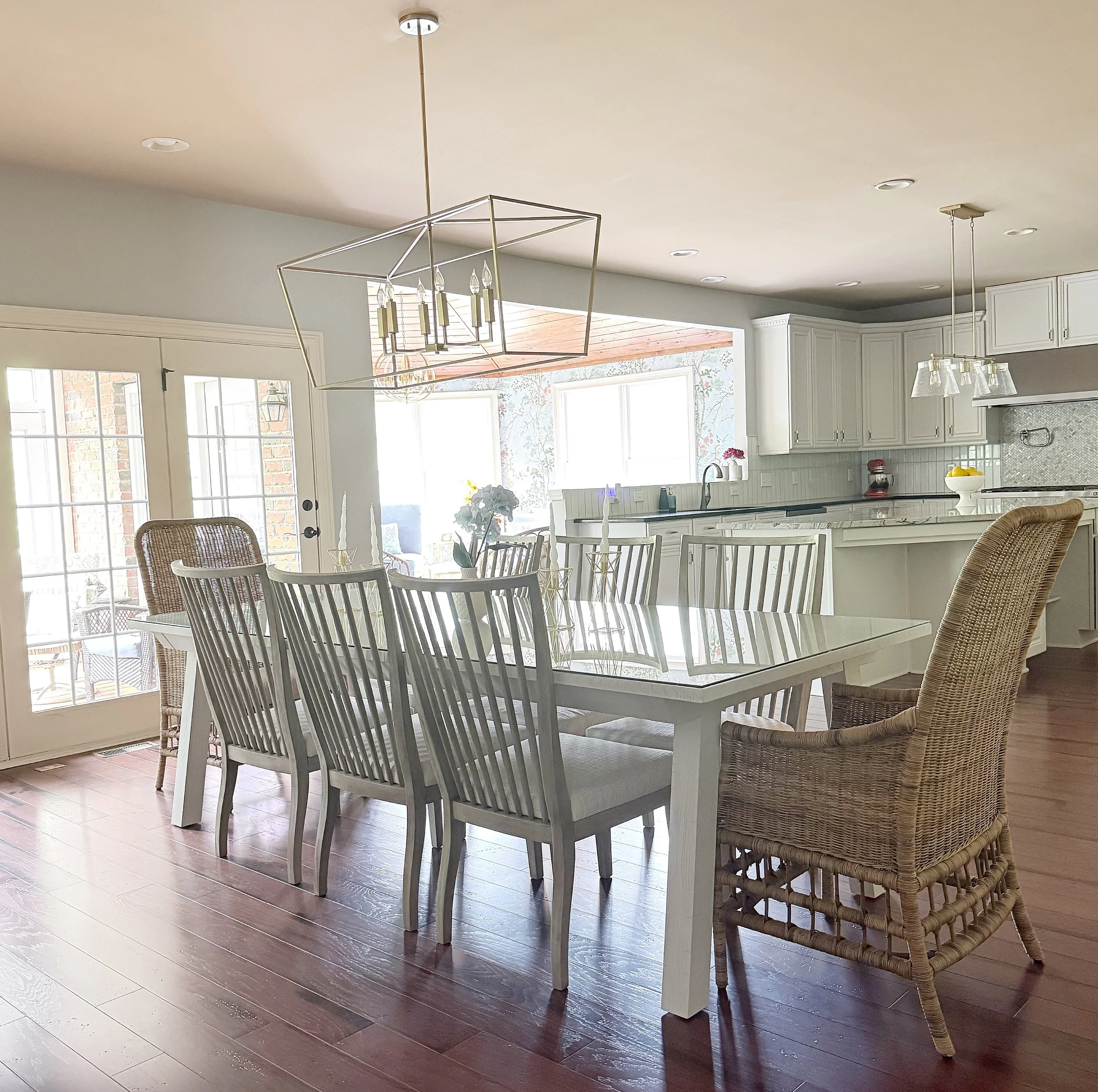
While the kitchen’s footprint remained unchanged, the experience of the space transformed completely.

What once felt dark and uninspiring now feels:

  • lighter

  • more open

  • visually connected to the rest of the home

The kitchen supports daily routines with ease and feels welcoming rather than overwhelming; proof that thoughtful design decisions matter just as much as layout or square footage.

Why Considered Design Matters

This transformation illustrates the true return on considered design.

By addressing constraints early and making informed decisions before committing to materials, we avoided unnecessary revisions and created a kitchen that will age gracefully over time.

This is the value of design that thinks ahead.

Considering a Kitchen Project of Your Own?

If your kitchen feels dark, heavy, or disconnected — or if you’re unsure how to navigate finish, lighting, and layout decisions — a Design Session can help bring clarity before renovation begins.

Together, we’ll assess your space, identify constraints, and establish a thoughtful design direction so every decision feels intentional and aligned.

Book a Design Session to begin your kitchen project with confidence and clarity.

 
Next
Next

Improving Mental Health - Unlock the Benefits of a Beautifully Designed Home